Hydrocodone is an opioid used to treat severe pain of a prolonged duration, if other measures are not sufficient. It is also used as a cough suppressant in adults. A mixture of hydrocodone and other chemicals work to suppress coughing. The narcotics in this cough treatment slow down…
Formatting refreshed October 5, 2026. Originally published July 22, 2019. This refresh updates the presentation; historical references and article content remain as originally published.
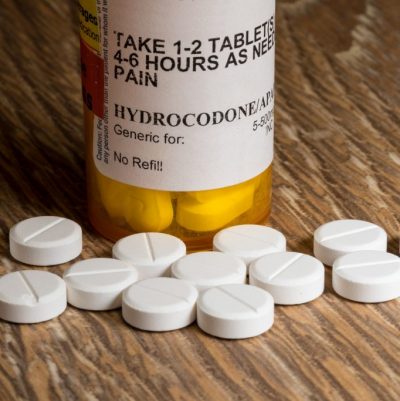
What is hydrocodone?
Hydrocodone is an opioid used to treat severe pain of a prolonged duration, if other measures are not sufficient. It is also used as a cough suppressant in adults. A mixture of hydrocodone and other chemicals work to suppress coughing. The narcotics in this cough treatment slow down and depress the reflex in your brain that makes you cough. Hydrocodone is usually present in a combination with different chemicals, and is often used to treat moderate to severe levels of pain. Hydrocodone is one of the class of medications considered an opioid or narcotic, and it relieves pain by blocking the ability of your brain and nervous system to sense pain.
You may be prescribed a pain-reliever or cough suppressant in a capsule, liquid or pill, or possibly a tablet. As a pain-reliever, doctors will usually tell you to take as needed to treat pain, but never more than every 4 to 6 hours. Since it is an opioid, this product can be highly addictive. Your doctor will tell you that if you take hydrocodone in combination with some other medications, you dramatically raise your risk of experiencing serious breathing problem issues, and could possibly lapse into a coma.
how it works
The way hydrocodone works when it “talks” to your brain and nervous system can create a powerful addiction in some people. Because it is a narcotic, it can deliver short-term euphoria which an addicted individual wants to replicate frequently. This can lead to physical dependence and addiction if hydrocodone and other opioid painkillers are taken long-term.
Also, the withdrawal symptoms after an abrupt cessation of this drug are so powerfully negative, some users will do just about anything to get their hands on some more hydrocodone, or a similar opioid or opiate such as Oxycontin, Heroin or Fentanyl.

Questions about testing services?
Explore Carolina Testing services or contact our team for current service information.


 In our capacity as a drug and alcohol testing professionals, we have come across many business owners and employers that have outright refused to drug test their employees or applicants because they feel that doing so would cause them to lose half or more of their current employees and significantly reduce their overall applicant pool. When asked what makes them think that, they answer with complete confidence that the kind of people they employ are frequently found to be users of marijuana, and as a result, would never pass a drug test. Sadly, we have to agree – they probably wouldn’t pass a typical drug test.
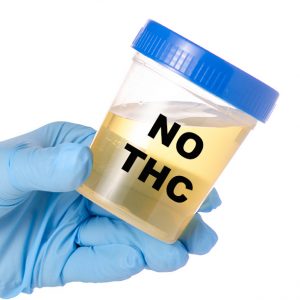 The primary goal of Carolina Testing is to serve our clients and meet their specific needs. The need for a drug screen that tests for drugs of concern for a specific employer has never been greater than it is today. As a result, we have introduced a custom drug test options that does not test for the marijuana metabolite known as THC. This test is available as a rapid urine test, providing negative test results to the employer within 15 minutes.
 The old adage, “time is money” has never been more true. It didn’t take long for the management team of a small asphalt company in South Carolina to realize how much money was literally waiting for them when they evaluated their current drug testing service provider. Having used a local urgent care clinic for their drug test collections for years, company representatives didn’t realize there were options available to them until they were approached by a representative from Carolina Testing based in Conway, SC.


 let us help.


 When teens drink, they are typically binge drinking 90 percent of the time. While binge drinking, teens are more likely to engage in risky sexual behavior, are at an increased risk for physical and sexual assault, are most likely to use an illicit drug and can suffer from alcohol poisoning.
 For example, you can ask your kids what they hear at school about alcohol or if any of their friends drink or talk about drinking at parties. If you’re watching television or a movie and underage or irresponsible drinking is shown, use that as a conversation starter by asking your kids what they think about it. If what’s shown is an unhealthy drinking behavior, take the opportunity to explain how the behavior is unhealthy and what the risks are.
 Talk about the consequences of drug and alcohol use – not only the consequences in your home, but also about the legal and medical consequences that can occur such as being arrested or hospitalized. Be clear about what you will do if the rules are broken and more importantly, follow through on these consequences.

 Is Saliva Based Drug Testing Right For Your Business?

