
OxyContin and oxycodone can both be deadly when abused. These powerful opioid pain-relievers can do incredible good when taken properly and prescribed and monitored by a physician that understands the possible addiction both of these opioids can create. They are often prescribed for relief from extreme pain, and…
Formatting refreshed October 5, 2026. Originally published August 5, 2019. This refresh updates the presentation; historical references and article content remain as originally published.
OxyContin and oxycodone can both be deadly when abused. These powerful opioid pain-relievers can do incredible good when taken properly and prescribed and monitored by a physician that understands the possible addiction both of these opioids can create. They are often prescribed for relief from extreme pain, and are usually administered in some type of time-release formula.
Oxycodone is the active ingredient, and is usually combined with other medications, chemicals, powders or liquids. Just because it is mixed with other substances, it doesn’t mean it can’t still be incredibly addictive, dangerous and even deadly when abused. You may find Tylenol, Ibuprofen or some other low-level pain reliever combined with oxycodone. Brand-name precription pain relievers such as Percodan, OxyContin and Percocet all include some level of oxycodone.


Spark Better Business
OxyContin, however, has only one ingredient … oxycodone. Since the level of addictive, pain-relieving oxycodone is much higher in OxyContin than in some product which combines oxycodone with other chemicals, OxyContin should be considered highly addictive and taken responsibly and under close physician supervision.
OxyContin does contain time-release restrictions when obtained in a legal, prescribed form. However, abusers and addicts have found that crushing the tablet or mixing it in water removes the time-release restriction, and the rush of euphoria is immediate. Withdrawals after taking OxyContin irresponsibly are severe, and this is what makes OxyContin so much more addictive than medications which combine oxycodone with other chemicals and medicines.
OxyContin abuse has been found to be one of the leading causes to the current opioid epidemic causing widespread heroin use nationwide. Opioid abuse leads to addiction so quickly because the user is always seeking the high they received when they first abused the drug. The build up a tolerance to the drug over time leading to more frequent use as well as stronger drugs such as fentanyl and carfentanil.
and
Questions about testing services?
Explore Carolina Testing services or contact our team for current service information.

 The MRO Review Process

 One of the most misunderstood and confusing aspects of drug testing – especially when it comes to drug test results – surrounds the term “levels.” Understanding what levels mean in the drug testing process requires an understanding of how drug testing is performed to begin with and what final results really mean. There are three types of “levels” found on a typical drug test result report. They are: screen cutoff level, confirm cutoff level and actual level (also known as test level).
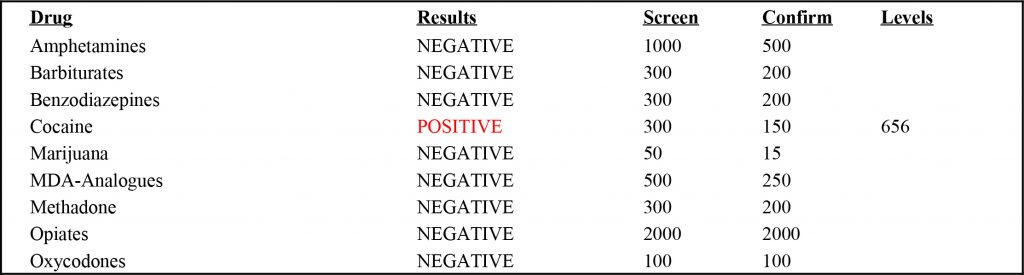
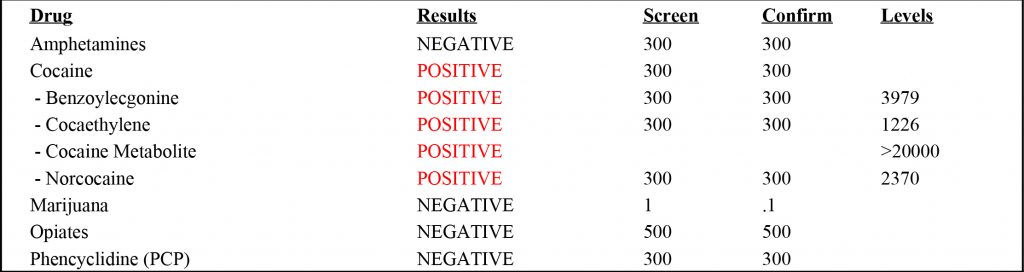
 In cases of legal investigations or tracking substance abuse in an individual, levels are a valuable tool to determining if a drug user has abstained from further use or has continued using a specific drug. In order to determine this, an initial drug test must be performed to obtain the “starting point” or “initial level.” For tracking purposes, hair follicle testing is most beneficial specimen to test because it detects substance use over a period of 90 days. Once an initial level has been obtained from the first drug test, subsequent testing using the same specimen type and laboratory will show comparative levels against the initial level. If the number of the level on a subsequent test is lower, it indicates that the user has not engaged in additional drug use since the last test that was conducted. A higher level would indicate continued use.

 Q: Do you really want a heroin addict or “meth head” driving that forklift or entering your customer’s home or office?
 stating that even though medicinal or recreational use of marijuana is legal in some states, the company still recognizes federal laws that identifies marijuana as an illegal drug and does not condone or allow marijuana use by its employees. The policy further states that positive test results for marijuana will result in disciplinary action. State Supreme Courts have already upheld the employer’s right to discipline an employee for a positive drug test for THC – even in states where marijuana is legal medically or recreationally.
 The second option some companies are choosing is to remove marijuana (THC) from their current drug test panels for pre-employment and random drug testing. They are, however, keeping marijuana (THC) in the drug test panels for post accident testing and reasonable suspicion testing – using oral saliva as the specimen instead of urine. Oral saliva testing in addition to instant alcohol tests for post accident or reasonable suspicion situations is quickly gaining in popularity. Testing, combined with supervisory observations, seek to provide evidence of impairment at the time of the incident or observation. Oral saliva testing is used because, unlike other specimen types, it can detect immediate recent use of drugs and can only detect up to approximately 72 hours.
 DNA paternity testing is an important genetic test that determines the biological father of a child. DNA is received from our biological parents — half from our mother and half from our father. A DNA paternity test compares the child’s DNA patterns with that of the alleged father to determine if there is a genetic match confirming or denying paternity.



 What to do?
 Hair Follicle Drug Tests on the Rise

 Cocaine, derived from the coca plant is native to South America where many people chew the plant’s leaves to reduce pain, thirst, hunger, while giving a boost of energy. By the 1880s, doctors were studying cocaine as a miracle anesthetic for surgeries. It was also being studied for a variety of health conditions including anxiety and pain. By the turn of the 20th century, fatalities were associated with cocaine and an article in
