 “Do It Yourselfers” are a growing force to be reckoned with these days. With hit shows from Home and Garden Television (HGTV), an entire network dedicated to DIY, aptly name the DIY Network, and millions of YouTube videos at our fingertips, it is hard not to catch the DIY bug. DIYers are tackling home projects, crafts, small repairs and now more difficult things like car repairs, major home repairs, appliance repairs, cell phone repairs and so much more. Why not DIY drug testing, right?. Sometimes, we save a little money by doing things ourselves – and sometimes it ends up costing us more money to fix a DIY attempt gone bad. I have a cell phone that should have only cost me $100 to get fixed by a professional. After my DIY attempt went horribly wrong, that repair quickly turned into a $350 repair. There are just some things better left to the professionals – like cell phone repairs and engine tune ups.
What does this have to do with drug testing?
Surprisingly, some companies have taken the DIY mentality to new heights by conducting their own drug testing in the hopes of saving a buck or two. This has become very popular in the medical and quasi-medical fields including home health agencies, nursing homes, hospitals, clinics, etc. Even some non-medical companies are looking at performing their own drug testing in house. With instant urine test kits and even the increase in oral saliva testing, executives feel that they can save money by just doing the testing themselves rather than having a certified drug testing company do the work for them. This is where things can go horribly wrong.
Executives feel that they can save money by just doing the testing themselves rather than having a certified drug testing company do the work for them. This is where things can go horribly wrong.
Companies that conduct their own “in-house” drug testing open themselves up to huge liability risks and are easy targets for discrimination claims. When a company takes on the role of “drug tester” using a store or online purchased instant urine drug test, they are effectively taking on the role of police, judge and jury and are left with nothing concrete to defend the results of the instant drug screen.
Let’s consider the following, typical scenario and dig deeper to see where the main pitfalls to DIY drug testing can cost far more than the few dollars the company saves:
The New Applicant:
Your company has elected to use an instant 10 panel urine drug test kit purchased online to conduct a pre-employment drug screen of a potential new hire. The applicant submits their application and hands it to your HR person and the HR person hands the applicant a cup and asks the applicant to go to the restroom, fill the cup with urine and bring it back out to them. The applicant goes into the restroom and returns with a covered cup filled with what is believed to be urine. The HR person peels back the label, checks the strips like they showed her in the instructional YouTube video and makes a final determination of the drug test. Quick, easy and done, right? Not so fast…
- Is the “urine” provided by the applicant really urine?
- Is the “urine” provided by the applicant THEIR urine or is someone else’s?
- How do you know they didn’t fill the cup with warm water from the sink in the bathroom?
- Is the urine the correct temperature?
- Are you sure the applicant didn’t flush the balloon that was filled with his buddy’s urine down the toilet?
- When the “result” is read and amphetamines shows up as positive on the instant test cup, what do you do next?
- Do you send the specimen to a laboratory to be tested and confirmed?
- Do you not hire the applicant because the amphetamines showed up?
- You are confident the instant test cup is 100% accurate, right?
- Was the amphetamine showing up a result of a legal medical prescription?
- Can you legally ask the applicant about their medical history or prescription use without violating HIPPA and ADA laws?
- The applicant is the best friend or relative of the person conducting the drug testing – is it possible a positive drug screen result might just be ignored?
- Of course, you have a company policy that is in writing that addresses these and other concerns about drug testing, right?
- Do you really know what substances you are testing for?
- Is it legal to test employees or applicants in your state?
- Isn’t marijuana legal in some states – we can ignore that positive test, right?
I know, you are saying we use instant oral saliva tests at our company so we know the specimen came from the applicant directly so there is no issue of cheating. That is great – you have the remaining 11 bullet points above covered too, right?
Does your company do random drug testing? Post accident drug testing? Reasonable suspicion drug testing? Do you also test for current alcohol impairment? If you do testing for these reasons “in house”, you open yourself up to even more potential problems and issues such as claims of favoritism, discrimination, bias and/or unfair or illegal practices.
 The use of illicit drugs and alcohol interferes with the student’s ability to learn and is often found to be a disruption to teachers and other students. Schools, both public and private, continue to investigate the benefits of randomly testing students for drug and alcohol use. Following models established in the workplace, some schools have established testing programs that allow them to perform random testing as well as reasonable suspicion testing.
 According to a recent report by the Substance Abuse and Mental Health Services Administration (SAMSHA), the construction industry now has the second highest percentage (14.3%) of drug users on the job. This percentage trails the accommodations and food services industry which is the leader at 16.9% of drug users. The construction industry also comes in second place on the heels of the mining industry when it comes to heavy alcohol use.
 becoming far more cost effective and beneficial to these extremely busy and fast moving construction companies.
  We were high school sweethearts destined to be together forever. He set off for the Army and I set off for college. We parted ways for four long years, always trying to keep our relationship close throughout. Despite our best efforts, there was the occasional misstep that took our relationship into dangerous territory during these years apart as we both took the opportunity to explore other “interests.” Rest assured, that when we were able to reconnect, we did so with renewed passion and excitement. We married in 2012, got pregnant on the honeymoon and had our first son in June 2013. Our daughter was born in September 2014 and our second son, who was not exactly planned, was born in January 2016.
 child’s hair remained darker brown – even after a year. Jim would jokingly say that he was not the father of our third son – pointing out how he looked nothing like him. He was right. Our son looked much more like my side of the family. One night, my husband confided in me that he really was wondering if our third child was really his. He confessed that he had wondered if I had another “fling” during that summer reunion in 2015. He didn’t want to think that because he loved and trusted me so much and I had never given him reason not to trust me. Sure, we both experimented during our four years apart, but we came right back together perfectly and we were completely open about everything. The thought just kept creeping back into his head and he couldn’t shake it. At first I was hurt and kind of angry that he would even think for a moment that I would ever cheat on him, but then I realized that he had been struggling with this for quite some time and it was starting to effect our marriage.
 That’s when I took action. I knew the truth and had nothing to worry about, but I had to put his concerns to rest – for his sake and for the sake of our marriage. I called and scheduled a DNA paternity test to be conducted the next day. I asked the person at the clinic how long the results took and they said that we would have the results in 3-5 business days. They explained the testing process to me and answered all of my questions.
 Hair Follicle Drug Tests on the Rise
 Cocaine, derived from the coca plant is native to South America where many people chew the plant’s leaves to reduce pain, thirst, hunger, while giving a boost of energy. By the 1880s, doctors were studying cocaine as a miracle anesthetic for surgeries. It was also being studied for a variety of health conditions including anxiety and pain. By the turn of the 20th century, fatalities were associated with cocaine and an article in
 The old adage, “time is money” has never been more true. It didn’t take long for the management team of a small asphalt company in South Carolina to realize how much money was literally waiting for them when they evaluated their current drug testing service provider. Having used a local urgent care clinic for their drug test collections for years, company representatives didn’t realize there were options available to them until they were approached by a representative from Carolina Testing based in Conway, SC.

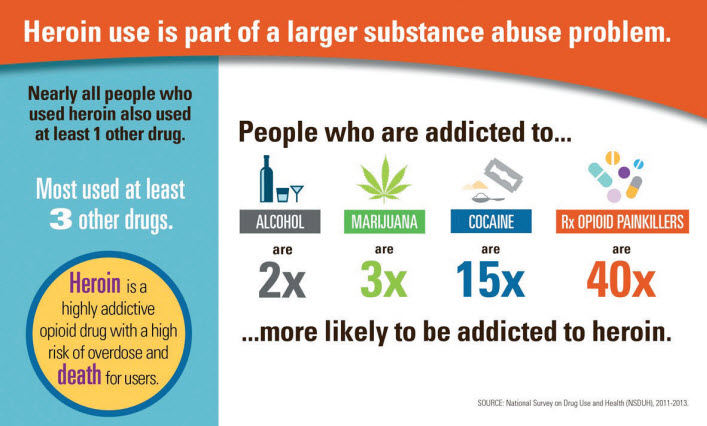
 How can the remaining 80 percent of employers get informed and gain confidence when facing this challenge? Experts suggest that companies add specialized workplace training for supervisors, implement drug testing programs, and strengthen their policies with more precise language about drug use without a prescription, employee impairment, and return-to-work protocols.

 The MRO Review Process