The most widely used and abused “drug” in American workplaces today might surprise you. A common definition of the word “drug” is “a habit-forming medicinal or illicit substance, especially a narcotic.” The only problem is that this “drug” or substance is 100% legal in the United States. In fact, the government makes money from the sale of this substance by taxing it and regulating it. If you haven’t figured it out by now, the number one used and abused substance in the workplace is alcohol.
 Alcohol abusers number over 14 million in the United States alone and many of them are gainfully employed in our workplaces. Alcohol is responsible for a large number of workplace accidents and injuries. In addition, alcohol abuse in the workplace leads to billions of dollars in lost revenues for businesses due to absences, lower productivity, employee turnover, rising health costs and more.
Employers are aware of the costs borne by employees with alcohol problems and are implementing strict alcohol use guidelines in their substance free workplace programs. The main objective of these policies is to keep alcohol use out of the workplace through 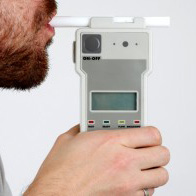 education, supervisor training and testing. Providing educational opportunities for employees on the effects of alcohol use and abuse in the workplace is the first step. Part of that education must include making employees aware of the resources available to them if they do have a problem. Employers should have literature and materials available to all employees about local resources or the company’s Employee Assistance Program (EAP). Supervisors must be trained in identifying and observing signs of substance use on the job. They must be trained on how to confront the situation properly and how to get the employee tested if need be. The company’s substance free workplace program must include the ability to test employees for alcohol use in situations like reasonable suspicion, post-accident or random testing.
Regulated companies, such as those regulated by the Department of Transportation (DOT) must have a substance free workplace policy and program in place that includes drugs and alcohol. Non regulated companies are not required to have such policies and programs in place. However, more and more companies are seeing the value of a substance free workplace program for the health and safety of their employees as well as the cost savings. Making sure that these policies address the number one used and abused substance is critical to a solid substance free workplace program.

 Scientific experts at Quest Diagnostics have analyzed and published annual workplace drug testing data and insights since 1988 in the
  Grandparentage Tests
 Now what? I sit here staring at the plus sign on the at-home pregnancy test. It’s the same result I got with the three other tests I did (just in case). A range of emotions are flooding my mind as I wrap my head around the reality that there is a baby growing inside me. I haven’t felt quite right for the past few weeks and this explains a whole lot. The father! I need to tell him about this too. When this sinks into my consciousness I feel what could possibly be my first wave of morning sickness rising to greet me. It’s not morning sickness though. It is pure emotional fear and confusion. There is a very real possibility the father could be one of two different men.
 DNA paternity testing is an important genetic test that determines the biological father of a child. DNA is received from our biological parents — half from our mother and half from our father. A DNA paternity test compares the child’s DNA patterns with that of the alleged father to determine if there is a genetic match confirming or denying paternity.

