
chaos on the rails


It was a frigid cold January 4th afternoon in 1987 when Amtrak passenger train (Train 94) left Washington DC heading to Boston. Reaching speeds of over 125 mph the train entered the Chase community in eastern Baltimore County, Maryland at approximately 1:30pm. At the same time, a Conrail locomotive crew failed to stop at the signals placing itself in the direct path of the oncoming Amtrak train. Sixteen people lost their lives in the accident and many, many injuries were reported among the approximately 600 passengers aboard.  It took rescuers over 10 hours in frigid temperatures to extricate passengers from the wreckage. The front cars of the passenger train that sustained most of the impact and damage were not yet occupied. The investigation by the National Transportation Safety Board (NTSB) revealed that had those cars been filled, the death toll would have been significantly higher.


the investigation


The NTSB investigated the accident and determined that had the Conrail locomotives failed to slow down at the signals as required, they would have been able to stop in time to avoid the collision.  Ricky Gates, the engineer for Conrail and his brakeman, Edward Cromwell both tested positive for marijuana following the accident, even though they denied using the substance. Prosecutors later cut a deal with Cromwell offering immunity for testifying against Gates stating that both Cromwell and Gates had been smoking marijuana while on duty.  After four years in prison for manslaughter, Gates admitted in an interview in 1993 that the accident never would have happened if he was not under the influence of marijuana st the time. He also admitted that he had smoked marijuana several times while on duty. 


the result

The Federal Railroad Administration was forced by legislation to strengthen its certification processes for locomotive engineers which went into effect January 1990. These processes require that in addition to engineers being properly trained and certified, they can have no drug or alcohol impairment convictions for the five years prior to certification.  In 1991, Congress required not only the FRA, but all agencies regulated by the Department of Transportation to implement mandatory random drug testing for all safety sensitive duty employees regulated by the agency. 


Each year, the agencies review the results of the random testing completed and determine the levels at which regulated companies must randomly test their employees.  Levels of random drug testing range from 25% to 50% depending on the agency and the number of positive results from a specific agency.  The higher the number of positive test results, the more random testing is ordered. 

Companies in these regulated industries are required to follow the regulations found in 49 CFR Part 40 as well as their agency specific regulations.  To learn more about these regulation and the specifics for each agency, please visit www.carolinatesting.com  For help in getting into compliance with the regulations and maintaining compliance with DOT drug and alcohol testing requirements, please contact the DOT specialists at Carolina Testing today.
Teen Drug Abuse Set To Rise Again


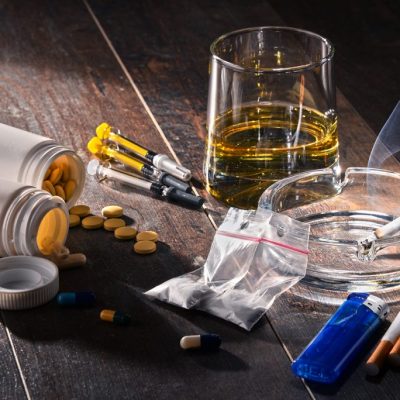
It is that time of year when students begin returning back to school and back to a major source of availability and opportunity to experiment with drugs and alcohol.  Some reports show that In 2016,  99% of doctors prescribed narcotic painkillers in dosages which exceed the federally governed three day limit. This means only 1 out of every 100 doctors was responsibly prescribing powerful painkillers. Drugs that have been shown to drive addiction leading to a dramatic downturn in quality of life, criminal behavior, and even death. 

In the United States as many as 45 people die each and every day from the abuse of opioid painkillers which have been prescribed by a doctor. This is more death than what is caused by the combined overdoses of cocaine and heroin. Unfortunately, many of these deaths include teenagers.

The Substance Abuse and Mental Health Services Administration (SAMHSA) reported in 2017 that 4.3 million Americans take prescription painkillers for non-medical reasons each month. More than 50% of those people got their drugs from a relative or friend. Teenagers have wide access to these drugs and could be abusing someone else’s prescription medications without you knowing.


what can you do?


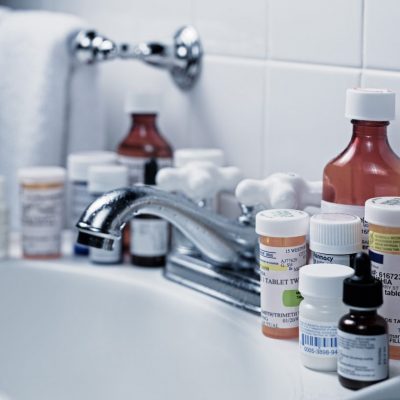
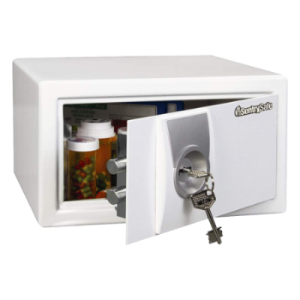
Keep lines of communication open with your teen. Talk to them about the dangers of amphetamines like Ritalin or Adderall.  Discuss the fatal consequences of experimenting with drugs they don’t know anything about. Don’t keep your personal, prescribed medications in the medicine chest. Keep them under lock and key, in a location unknown to your teen. If your child asks for money, make them account for what that money was spent on and follow up with them. When your teen comes home from school, extra curricular activities or from a friend’s house, make it a point to have a conversation with them before they hide in their room. Speak to your child’s educators, and arrange for drug abuse education at the school level.

You should also understand that things like cough medicine can be addictive. There are opiates and narcotics in many cough suppressants which can be abused. Prescription cough medications include the opiate codeine and can become addictive quickly. Keeping these and other more serious medications away from your teen, talking to your teen about drug addiction and arranging a discussion between your family doctor and your teen are some simple steps that could keep addiction from devastating your family.

let us help.


If you ever question whether your child may be experimenting with drugs or alcohol, have them tested by a qualified professional who can work with you to determine the most effective test options for your situation. Call us at 843-972-3287 for more information.


Preventing Prescription Drug Abuse


Any medication that changes the way your brain and nervous system communicate with each other can become addictive. Narcotics, opioids and opiates like morphine, codeine, oxycodone, OxyContin, fentanyl and hydrocodone disrupt how your brain and nervous system respond to pain. They deaden how your body recognizes pain, while simultaneously causing the release of hormones and chemicals which make you feel happy, euphoric and “high”.

The first step to preventing addiction from these and any other over-the-counter or prescribed drugs is to understand that what looks like a harmless little pill can cause massive changes in how your internal systems work. Opiates, narcotics and other types of drugs and medications are so good at masking pain and making you feel great that even short-term use can become highly addictive.


protect yourself from abuse


These types of medications should be kept under lock and key – especially with children of any age in the home. If you are prescribed some type of opiate or other possibly addictive medication, this information should be kept by the fewest number of people possible. Addictive drugs like OxyContin are so good at delivering an extreme high and painful withdrawal that some criminals and addicts will stop at nothing to get your pills once they know you have them – including breaking into your home.

You should also talk to your doctor about pain-relief alternatives. Monitor your usage, and keep a journal where you honestly record every time you take one of these types of medications and the amount taken. Check in with your doctor regularly, and ask for a reduction in dosage as your pain starts to wane. Finally, never let someone other than the prescription holder take an opiate, narcotic or opioid. Your intentions may be good, but a single dosage could create an unhealthy addiction.


OxyContin vs. Oxycodone


OxyContin and oxycodone can both be deadly when abused. These powerful opioid pain-relievers can do incredible good when taken properly and prescribed and monitored by a physician that understands the possible addiction both of these opioids can create. They are often prescribed for relief from extreme pain, and are usually administered in some type of time-release formula.

Oxycodone is the active ingredient, and is usually combined with other medications, chemicals, powders or liquids. Just because it is mixed with other substances, it doesn’t mean it can’t still be incredibly addictive, dangerous and even deadly when abused. You may find Tylenol, Ibuprofen or some other low-level pain reliever combined with oxycodone. Brand-name precription pain relievers such as Percodan, OxyContin and Percocet all include some level of oxycodone.


Spark Better Business


OxyContin, however, has only one ingredient … oxycodone. Since the level of addictive, pain-relieving oxycodone is much higher in OxyContin than in some product which combines oxycodone with other chemicals, OxyContin should be considered highly addictive and taken responsibly and under close physician supervision.

OxyContin does contain time-release restrictions when obtained in a legal, prescribed form. However, abusers and addicts have found that crushing the tablet or mixing it in water removes the time-release restriction, and the rush of euphoria is immediate. Withdrawals after taking OxyContin irresponsibly are severe, and this is what makes OxyContin so much more addictive than medications which combine oxycodone with other chemicals and medicines.

OxyContin abuse has been found to be one of the leading causes to the current opioid epidemic causing widespread heroin use nationwide. Opioid abuse leads to addiction so quickly because the user is always seeking the high they received when they first abused the drug. The build up a tolerance to the drug over time leading to more frequent use as well as stronger drugs such as fentanyl and carfentanil. 

and